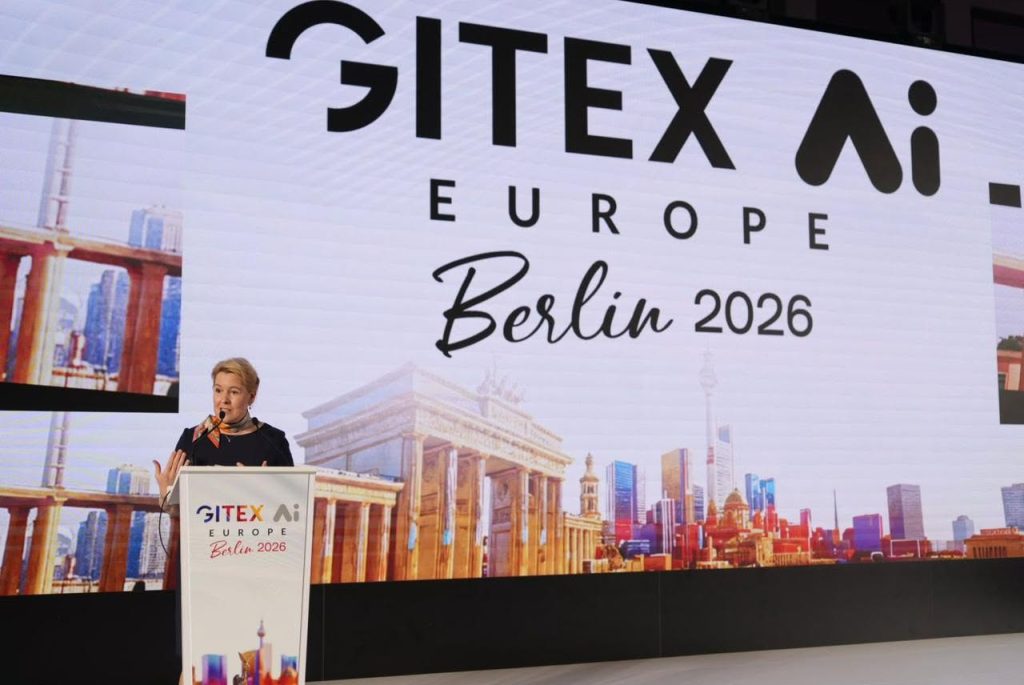
A year ago, it already seemed that artificial intelligence had become firmly embedded in everyday business. Yet after returning from GITEX Europe 2026 in Berlin, the picture looks different. AI is advancing so quickly that solutions considered cutting-edge only a year ago are now becoming the baseline.
solution includes it. What matters is whether it helps people read, compare, verify, prepare, sign or protect information more efficiently.
Several themes that emerged at GITEX Europe 2026 echoed what the Elpako team had already observed at Identity Week Europe 2026. Digital identity is becoming a core part of modern infrastructure, qualified electronic signatures need to work seamlessly across countries and systems, and organisations are no longer satisfied with isolated technology components.
GITEX, however, approached these topics from a more practical angle. The focus was less on what the digital future should look like and more on where technology is already changing how organisations operate today, from document analysis and cyber threat management to identity assurance, data sovereignty and the trust services market.
“GITEX made one thing particularly clear to me: AI is no longer a standalone innovation topic. It is becoming an operational layer that quietly supports everyday processes such as analysis, verification, document preparation and decision-making,” says Rokas Jašinskas, Business Development Manager at Elpako.
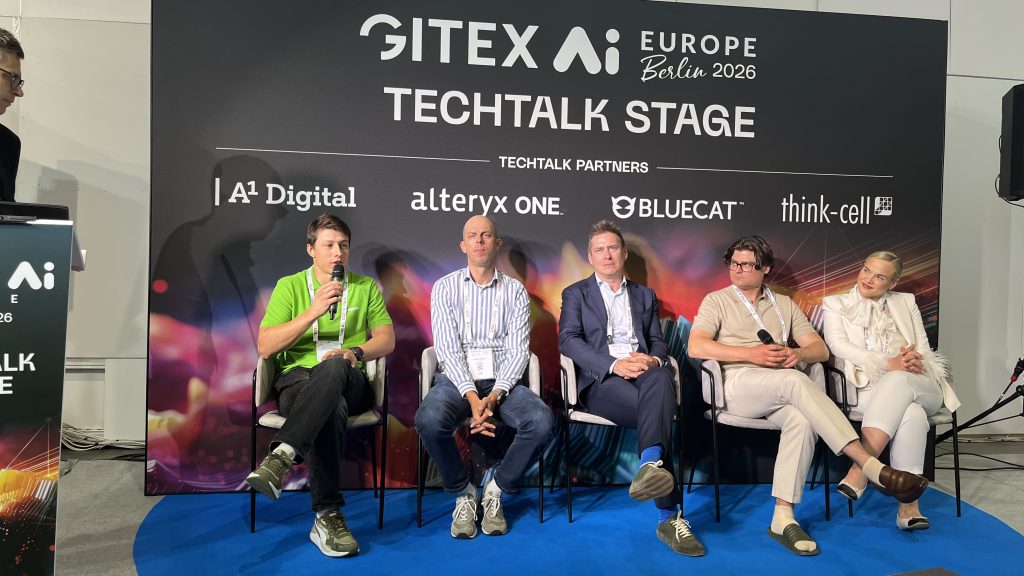
AI creates value when applied to a specific process
One of the clearest developments at GITEX Europe 2026 was the growing maturity of AI adoption. Organisations are spending less time discussing broad AI strategies and more time identifying specific, measurable use cases.
This shift was especially visible in document and knowledge management. Solutions presented at the event demonstrated how AI can simplify the preparation and analysis of complex legal and administrative documents.
“This is highly relevant to us in practical terms. Document drafting, contract analysis and the preparation of public procurement responses are areas where AI does not need to replace people. It can help them structure information faster and make better-informed decisions,” says Jašinskas
AI delivers real value when it reduces repetitive manual work and accelerates tasks that previously required multiple rounds of reading, checking and approval.
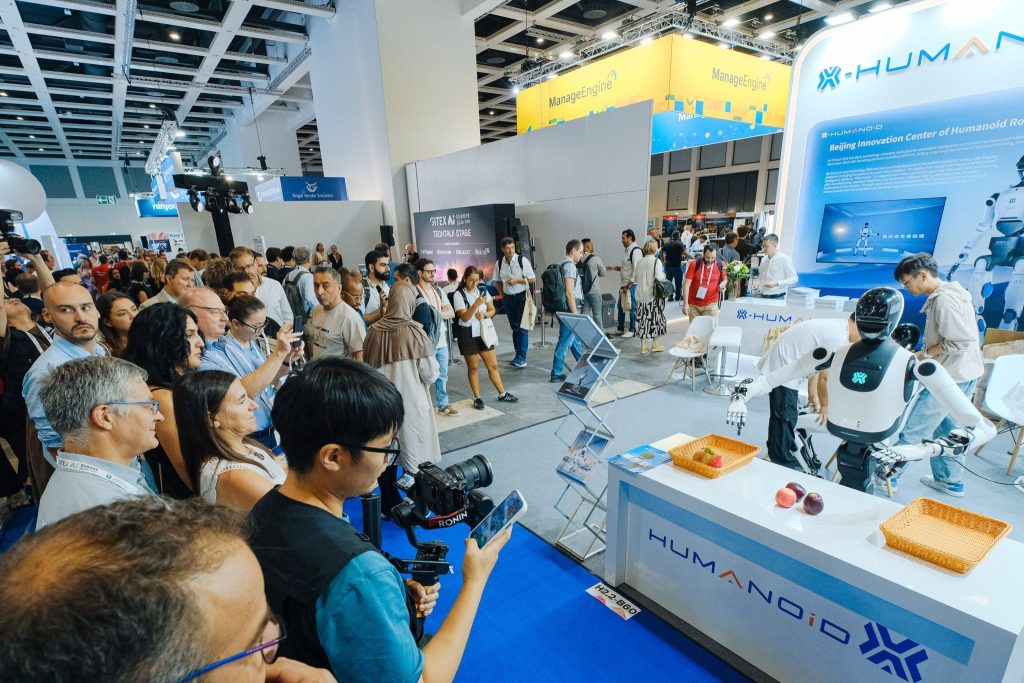
AI is becoming a defensive cybersecurity tool
One of the most interesting cybersecurity themes at GITEX Europe 2026 was not the fact that AI can be used to launch cyberattacks. That is already well understood. The more important development is that organisations are increasingly using AI to defend themselves through threat detection, alert prioritisation, incident investigation and faster response.
Security teams deal with vast volumes of signals, alerts and potential incidents every day. AI-powered solutions showcased at GITEX demonstrated how teams can identify the most important threats more quickly, organise information and shorten the path from an initial warning to an informed response.
“What mattered most to me was not the technological spectacle, but its practical role. AI can help security teams understand what is actually happening sooner and prevent a developing problem from turning into an incident that is much harder to contain,” says Justina Dešriūtė, Head of Product at Elpako.
The session “The CISO Crisis: Liability, Burnout & the New European Risk Landscape” also placed strong emphasis on the changing role of security leaders. As regulatory pressure, technological complexity and personal accountability for incidents increase, the CISO can no longer be treated as a purely technical position.
“Security has not been merely an IT issue for a long time. It directly affects reputation, compliance, business continuity and executive decision-making. If someone is accountable for risk, they also need a genuine role in the decisions that shape that risk,” says Dešriūtė.
Another important takeaway was that the most dangerous fraud increasingly does not look suspicious. Instead, it imitates normal user behaviour. Trust can therefore no longer be assessed solely on the basis of a document or login. Organisations need to consider the wider context, including the device, environment, behaviour and risk level of the process.
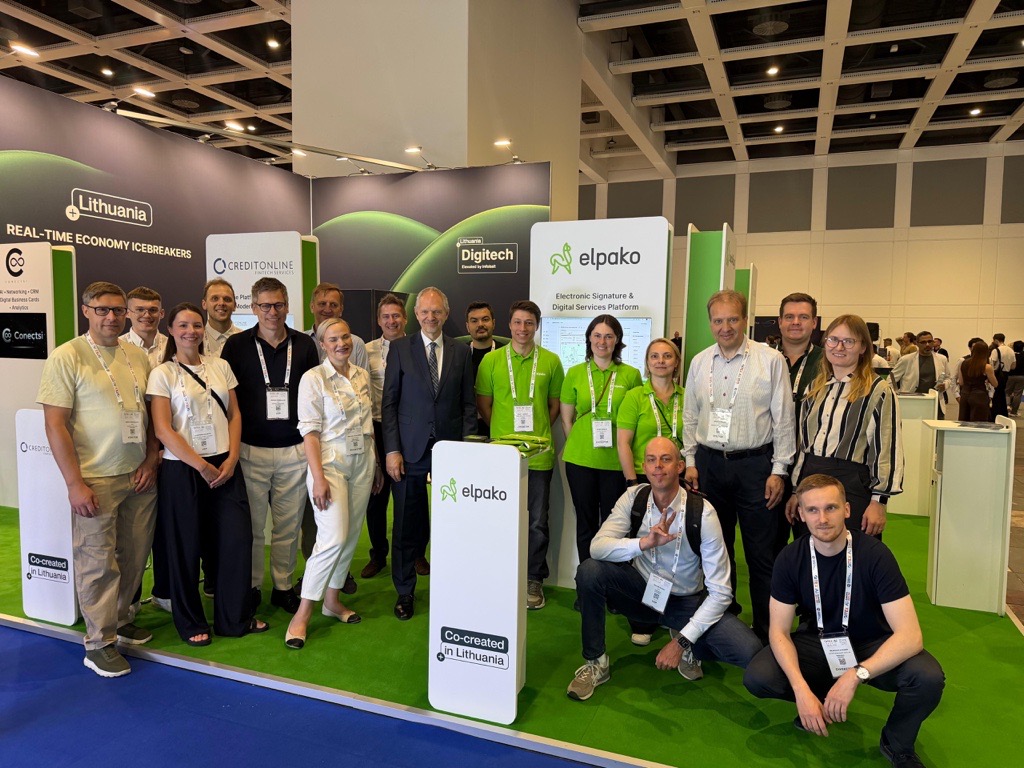
Demand for electronic signatures remains strong, and an API alone is no longer enough
One notable observation from GITEX Europe 2026 was that, despite the abundance of AI, cybersecurity and automation solutions, relatively few exhibitors specialised in digital signatures or qualified trust services. Conversations with organisations, however, showed that demand in this area remains strong.
“This was one of the more interesting signals for me. AI, security and automation dominated the event, while digital signature and qualified trust service providers were less visible. Yet as soon as you start speaking with organisations, it becomes clear that the need has not disappeared,” says Egidija Bieliauskienė, Head of Sales and Business Development at Elpako.
European customers are increasingly looking for alternatives to the large US-based signing platforms. They are interested not only in a convenient signing experience, but also in solutions designed around European regulatory requirements.
“Customers no longer want just a ‘Sign’ button. They ask how identity is verified, whether the signature is qualified, whether a complete audit trail is available, how the solution fits into their existing processes and whether it meets regulatory requirements,” says Bieliauskienė
This means that a signing API alone is often no longer sufficient. Customers expect a broader solution that supports the entire document lifecycle, from collecting data and preparing the document to signing, storage, validation and audit.
Cross-border signing also remains a major concern. Although qualified electronic signatures have a clear legal basis throughout the European Union, signing between different countries is still not as simple in practice as organisations expect.
“The European market needs a straightforward way to use qualified electronic signatures across borders. The legal framework is already there, but the user experience and practical implementation still create friction. Elpako sees this as a natural direction for further development,” says Bieliauskienė.
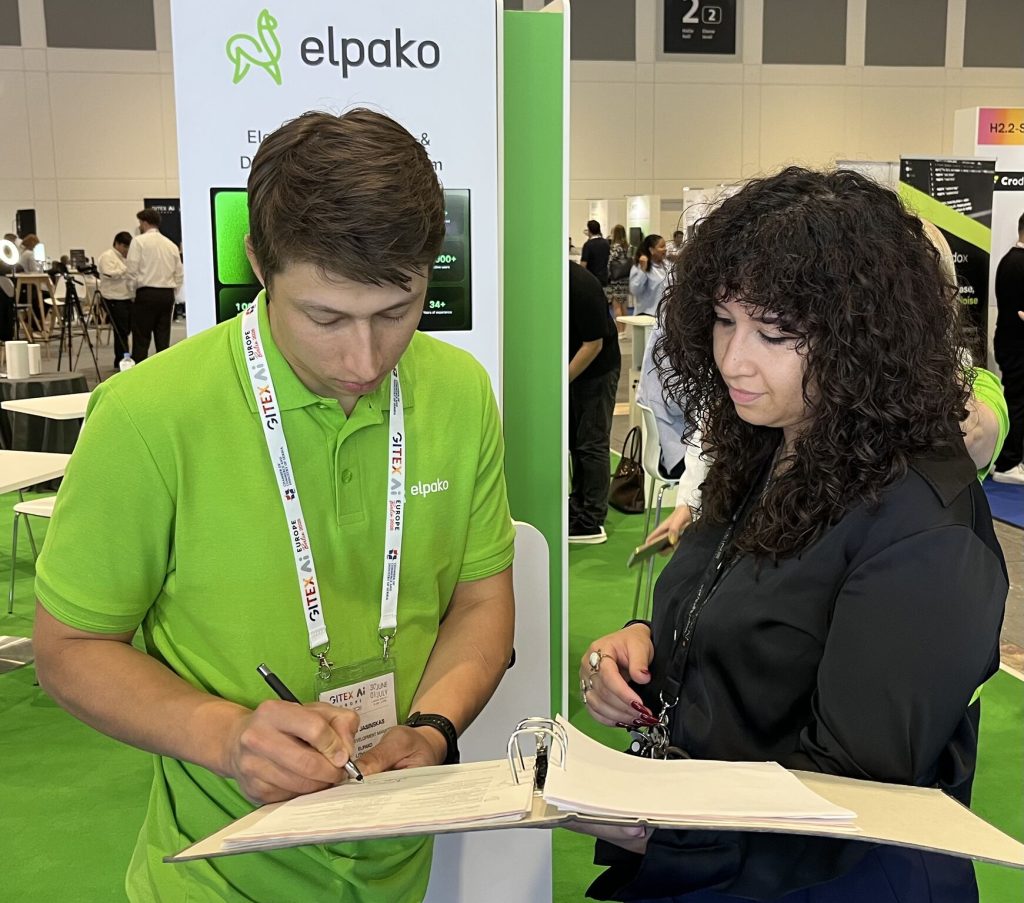
Germany offers major opportunities but expects high standards
Germany remains one of the most attractive markets for digitalisation solutions. Many public-sector processes still depend on paper documents, manual approvals and fragmented systems. Solutions capable of reducing a process from several weeks to a matter of minutes therefore offer clear and immediate value.
At the same time, the German market sets a high bar. Functionality alone is not enough. Localisation, data residency, GDPR compliance, national security considerations and long-term confidence in the provider all play an important role
“When you live in Germany, you quickly realise that strong functionality alone will not win the public sector. Organisations want to know where their data is stored, how it is processed, whether the solution reflects the local regulatory environment and whether the provider can be trusted over the long term,” says Dešriūtė.
Data sovereignty is becoming a genuine purchasing criterion rather than an additional technical benefit. For Elpako and NEVDA, this creates a clear direction: product development must take account not only of features, but also of country-specific deployments, local hosting options, European infrastructure and regulatory requirements.
The trust services market is maturing
GITEX Europe 2026 also highlighted a broader shift in the trust services market. Europe’s qualified trust services sector is maturing and beginning to consolidate. Larger providers are strengthening their positions, certification requirements are becoming more demanding and barriers to market entry are increasing.
“As a market matures, there is less room for isolated or improvised solutions. Customers need providers that understand regulation, have proven experience and can deliver more than a single feature. They need reliable infrastructure for digital processes,” says Bieliauskienė.
In the coming years, this market will be shaped even more strongly by eIDAS 2.0, NIS2 and the growing focus on the security of critical infrastructure, digital identity and trust services.
“Our ambition is for Elpako to be more than a signing tool. The market is moving towards broader solutions that bring identity verification, signing, compliance, process automation and integrations together,” Bieliauskienė adds.
Raising the profile of Lithuanian technology in Europe
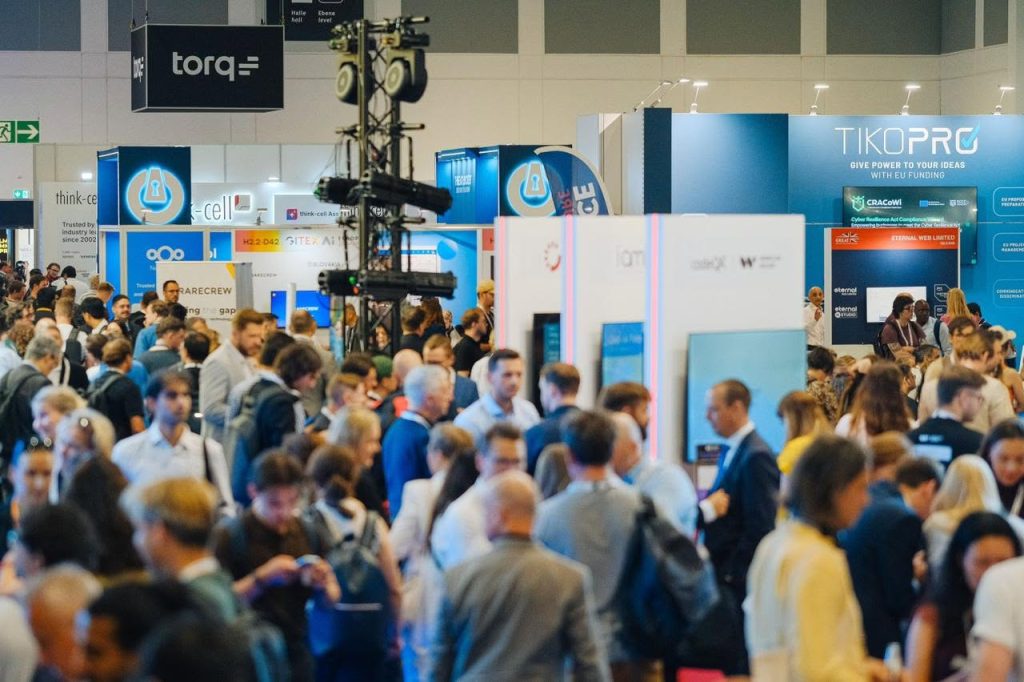
GITEX Europe 2026 was valuable not only for the technology insights it offered, but also for the relationships it helped create. INFOBALT played an important role in strengthening the visibility of Lithuanian technology companies and supporting international connections. Elpako also attended a networking event organised by the Embassy of Lithuania in Germany. It provided an opportunity to speak directly with German organisations and gain a more detailed understanding of their digitalisation needs.
“Events like these are not valuable only because of the contacts you make. Direct conversations with German organisations help you understand where digitalisation is genuinely getting stuck and what kinds of solutions the market is actually looking for,” says Jašinskas.
While Identity Week Europe 2026 placed particular emphasis on digital identity, wallets and interoperability, GITEX Europe 2026 revealed another side of the same transformation. It showed how AI, cybersecurity, document processes and data sovereignty are already reshaping the everyday work of organisations.
“GITEX confirmed that the direction for Elpako and NEVDA should not be a collection of separate features. We need to strengthen the complete document process, from document preparation and identity verification to qualified signing, storage, auditing and integration with other systems,” Jašinskas concludes.
This is where Elpako sees its future: building solutions in which signing is not an isolated action, but an integral part of a secure, trusted and fully auditable document process.